

Technical Features
- Available in stainless steel
- Selection of body material as per German DIN EN12284, AD2000 Series W
- Working mediums: refrigerants as per EN 378 p. 1, e. g. NH3, R22, R134a; gaseous mediums
- Use of bursting discs is not permitted in a system where the maximum operating pressure is higher than 90% of the low bursting tolerance. Bursting discs are suitable for gases, but not liquids. The burst tolerance is +/- 10% or optionally +/-5%.
| Excess Flow Valves | |
| material | stainless steel |
| nominal size | appropriate for bursting discs DN 15-100 |
| nominal pressure level | DN15-25: PS 25, 40, 63
DN 32-100: PS 40 |
| temperature range | -60 °C to +150 °C |
| temperature range for
HT Valve Series | -10 °C to +200 °C |
| connection | to be connected to the bursting disc holder
via a G1/4″ or NPT1/4″ thread |
Downloads
Serviceproducten

GEA Ammoniakdroger
Een verstandige aanvulling op uw koelsysteem. De ammoniakdroger verwijdert water uit de koelmiddelcyclus en is de perfecte aanvulling op uw ammoniakkoelsysteem, samen met filters en ontluchters.

PR-OLEO® Premium-Quality Ammonia Refrigeration Oils
PR-OLEO® premium-quality ammonia refrigeration oils are highly refined 2-stage hydrocracked lubricants formulated specifically for use in ammonia refrigeration systems with either reciprocating or screw compressors.

GEA Service Kits voor schroef- en zuigercompressoren
Welkom in de wereld van eenvoud met GEA Service Kits voor schroef- en zuigercompressoren. Onze missie is duidelijk; uw ervaring met originele reserveonderdelen naadloos en uw activiteiten vlotter dan ooit maken. "Rustig aan, gebruik een kit" is niet zomaar een slogan; het is een belofte die we waarmaken.
GEA-inzichten
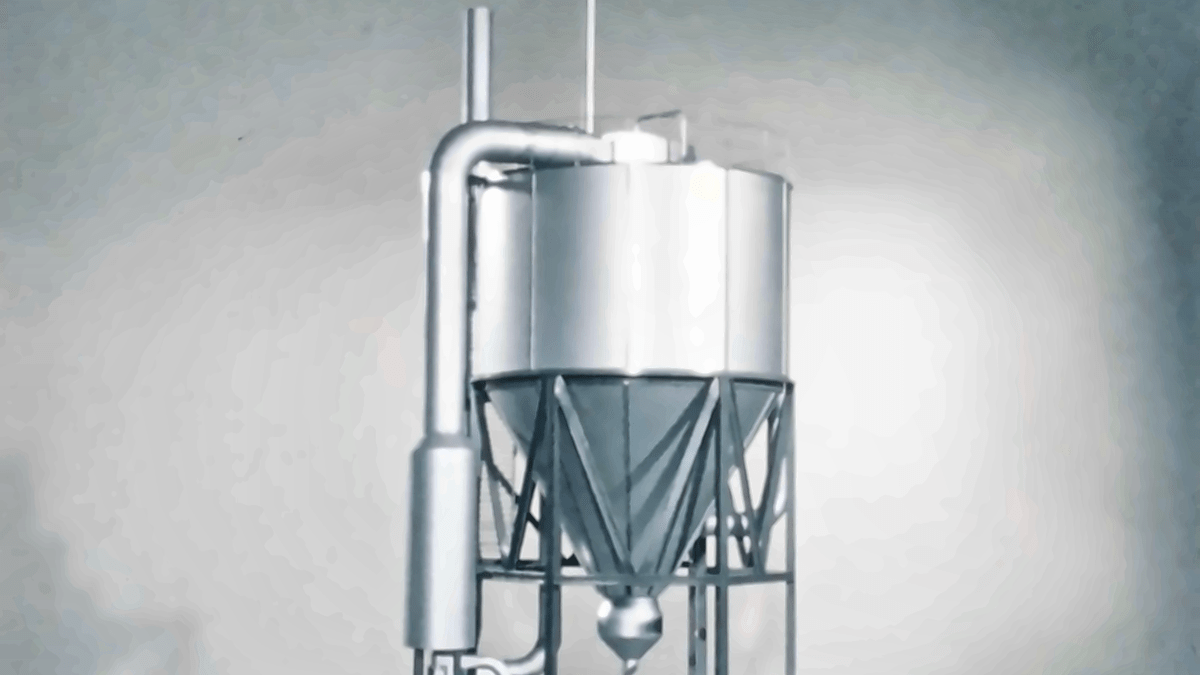
The breakthrough that changed spray drying
In 1976, NIRO engineers responded to a competitive challenge by rethinking what spray drying could do. Their idea became the multi-stage dryer MSD. Fifty years later, the same fundamental principle helps turn liquids into the powders used in essential nutrition products and important medicines around the world. Refined through decades of engineering expertise, customer insight and continuous development, MSD is a story of innovation with lasting impact.
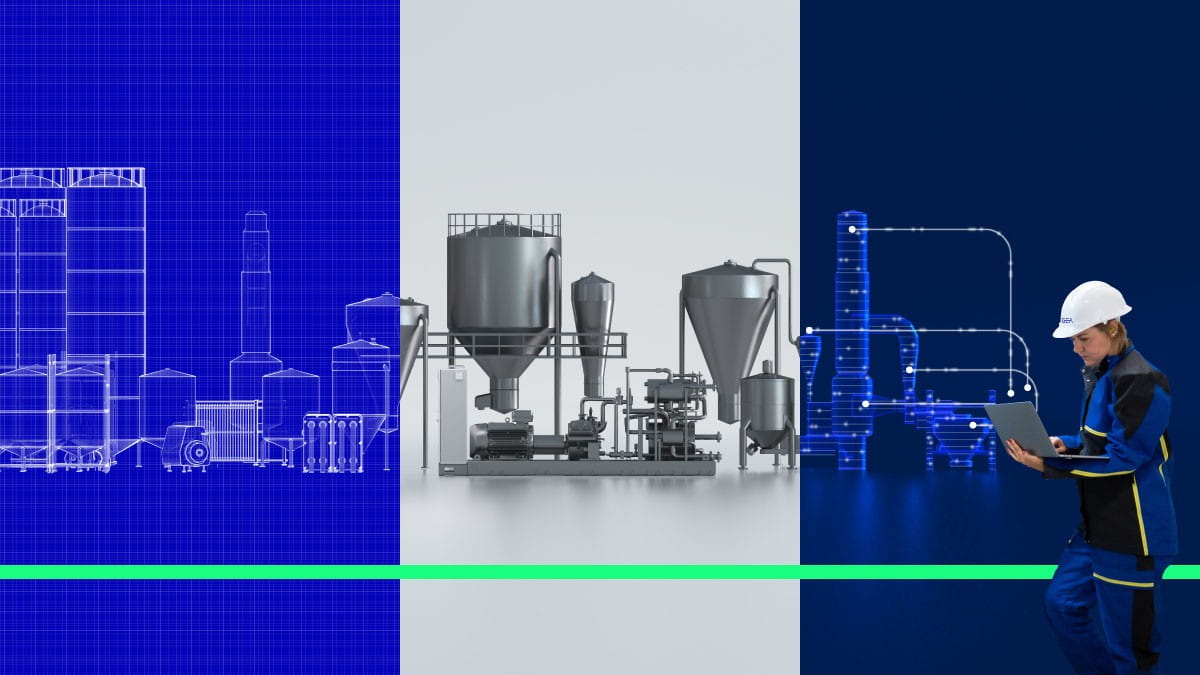
Verder dan de machine: betere prestaties van de installatie ontsluiten
Een efficiënte machine betekent niet automatisch een efficiënte fabriek. Echte verbetering begint vaak met verder kijken dan de afzonderlijke apparatuur en met inzicht in hoe processen, energiesystemen en operationele beslissingen elkaar beïnvloeden. Het is een holistische benadering die bedoeld is om kansen te ontdekken die anders wellicht over het hoofd gezien zouden worden.
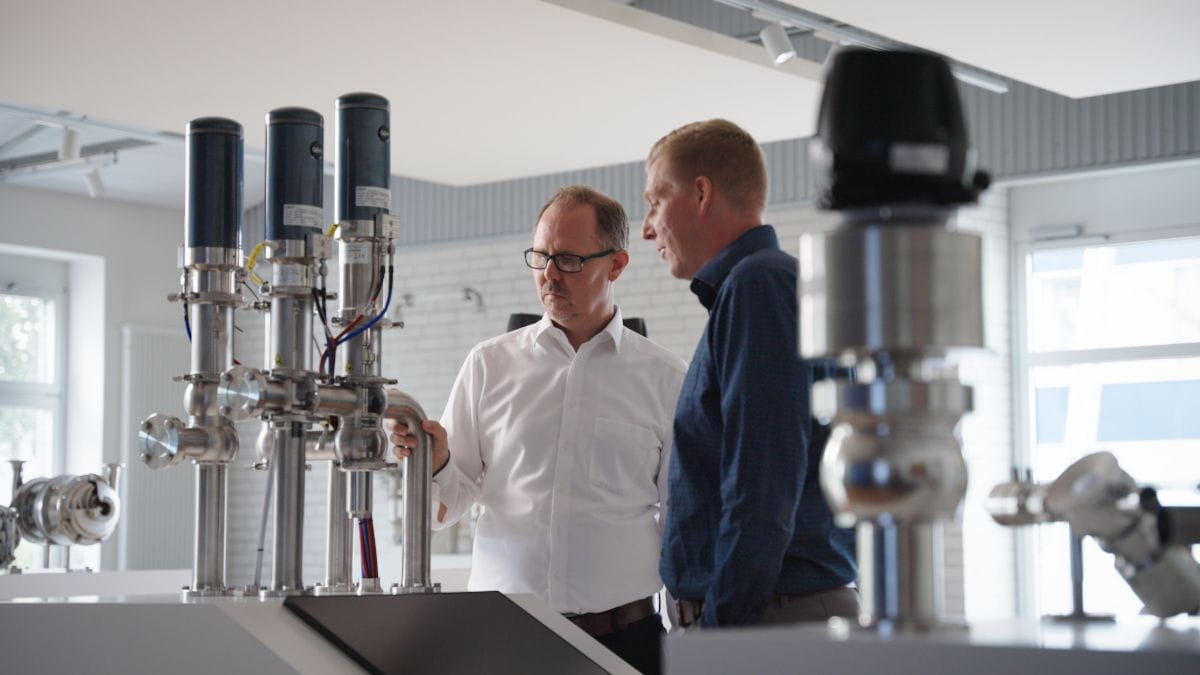
Hoe een klep de manier waarop eten en drinken worden gemaakt opnieuw vormgeeft
De kleppen in voedingsmiddelen- en drankinstallaties worden doorgaans met perslucht bediend. GEA Hydract® Actuation Technology stuurt kleppen daarentegen aan met water, in een gesloten, digitaal geregeld circuit. Het resultaat is een klep die precies op zijn plaats kan worden gehouden en in nauwkeurig afgestemde stappen kan worden aangestuurd. Dit leidt tot een lager energieverbruik en meer controle.
