

GEA can configure ovens to meet any requirement offering a full range of ovens, that includes direct gas-fired (DGF), radiating – cyclotherm (IC), indirect convection (CVI) and hybrid ovens (HYB).
Most products have specific baking requirements, and require different heating methods, temperature, humidity and residence time in the oven, which can all affect the final product quality and consistency. We design, configure and install tunnel ovens for different types of baked products, with working widths of up to 2000 mm for biscuits, cookies, crackers and snacks.
Our modular design enables us to customize the heating system for each zone, as well as varying the zone length, to meet the production requirements. In response to industry needs, GEA also offers a comprehensive range of pilot ovens, so that our customers can test their baking processes in a small scale, or to manufacture smaller batches of new recipes and products for field tests and trials.
GEA ovens are designed using state-of-the-art 3D modeling and simulators, so that we can test and evaluate new solutions using computer software to make sure that every detail is optimized. GEA ovens are manufactured to meet the strictest safety and hygiene standards, using high quality materials and components. Our customers can therefore be confident of reliable, uniform baking for their products.

Baking conveyor systems

GEA supplies a variety of conveyor systems to match the product type and baking profile. We can tailor the conveyor system to suit your product and production requirements.
- Continuous metal bands are commonly used for soft dough, cookies or sponge
- Light or heavy wire mesh conveyors are suitable for hard sweet biscuits or crackers
- Slat-type conveyors or wire mesh linked to lateral side chains can handle cakes, pies, pastries baked on trays
- Heat-retaining stone tiles are used for fast baking of pizzas

Energy Saving
GEA G-Bake Convective
Indirect convection oven Model CVI


The baking chamber of the indirect convection oven is fitted with a plenum duct positioned on the top and bottom of the baking conveyor and the hot air is blown into the air distribution system by a fan.

Hot air is heated as it passes through a dedicated heat exchange system where it is then gently blown into the baking chamber through specially designed nozzles.
Heat transfer is predominantly achieved by convection, which ensures even baking of the product. The combustion fumes are circulated in a closed system so the product never comes into direct contact with them during baking, allowing the use of gas or oil based fuels for heating.

Indirect convection oven module
The indirect convection oven is often used in the final part of hybrid ovens to improve the humidity extraction and achieve a better product color. Hot air from the baking chamber is drawn back to the fan to be re-circulated through the circuit. Each heating zone has a single burner and an automatic steam extraction system that controls the humidity of the air to achieve maximum product shelf life.
Downloads

Get the GEA Ovens brochure.
Unlock precision baking control with GEA Bakery innovative oven solutions, tailored to your specific needs and equipped with advanced technology for optimal performance.


GEA Insights
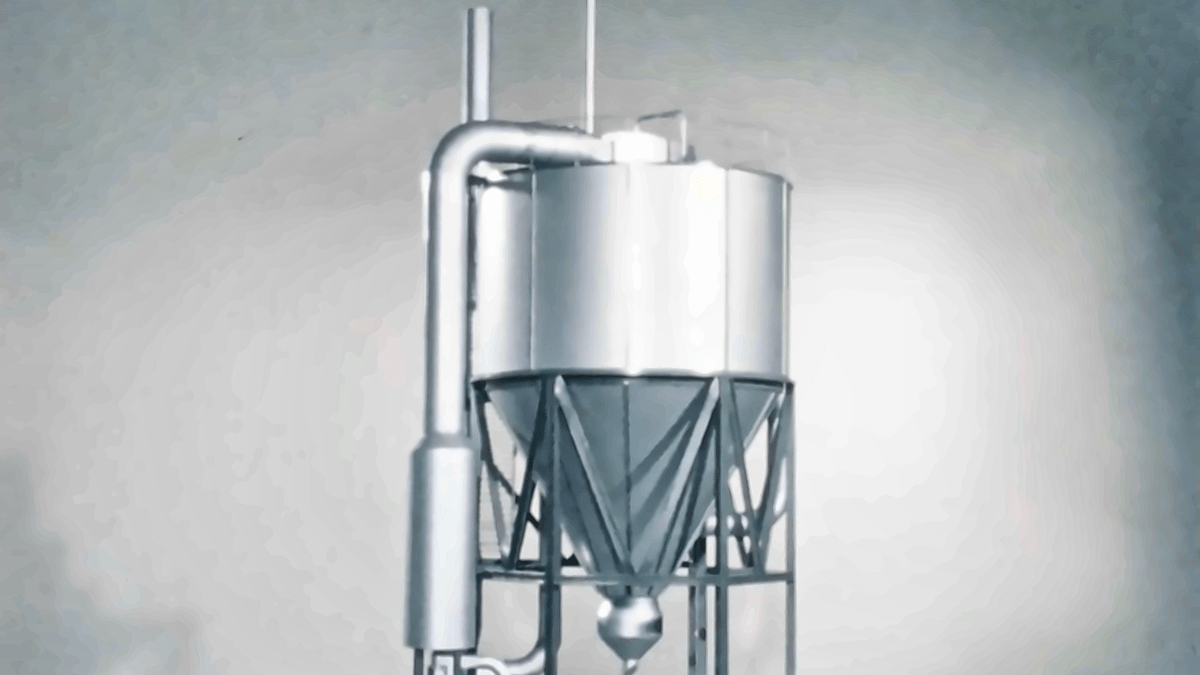
The breakthrough that changed spray drying
In 1976, NIRO engineers responded to a competitive challenge by rethinking what spray drying could do. Their idea became the multi-stage dryer MSD. Fifty years later, the same fundamental principle helps turn liquids into the powders used in essential nutrition products and important medicines around the world. Refined through decades of engineering expertise, customer insight and continuous development, MSD is a story of innovation with lasting impact.

Beyond the machine: unlocking better plant performance
An efficient machine does not automatically make an efficient factory. Real improvement often starts by looking beyond individual equipment and understanding how processes, energy systems and operating decisions affect one another. It’s a holistic approach designed to uncover opportunities that might otherwise be missed.

How a valve reshapes the way food and drinks are made
In food and beverage plants, valves are commonly operated using compressed air. GEA Hydract® Actuation Technology moves valves with water instead, in a closed, digitally controlled circuit. The result is a valve that can be held exactly in place and steered in fine-tuned steps. This results in lower energy use and greater control.
