
The buttermaking machine can be used to produce sweet, lactic and sour cream butter which are obtained from sweet or soured cream. Integrating additional elements, however, also allows the serial production of mixed fats with a reduced fat content, with vegetable fat additives or even with a reduced content of so-called SNF (solids, non-fat).
Whether traditional or modified, the GEA buttermaking machine and the associated control elements allow all types to be produced in consistently high quality. The complete solution is rounded off by a CIP (cleaning-in-place) system to clean the system both simply and reliably. This CIP system comprises a hot water tank, a tank for the special washing caustic together with the necessary valves and a heating system with the corresponding pumps.

Downloads
Service Products

GEA Marine Bowl Service
GEA Marine Bowl Service offers clearly defined service levels with fixed pricing and bundles service expertise in a dedicated competence center.

GEA marine Upgrade Kit for separators
Designed to automate various separator processes, the GEA marine Upgrade Kit features advanced software and easy-to-use hardware components for seamless integration. By extending the capabilities of our marine separators, this solution improves efficiency and promotes environmental sustainability.

International Repair Network for GEA Centrifuges
Corrective repairs for your GEA separators and decanters
GEA Insights
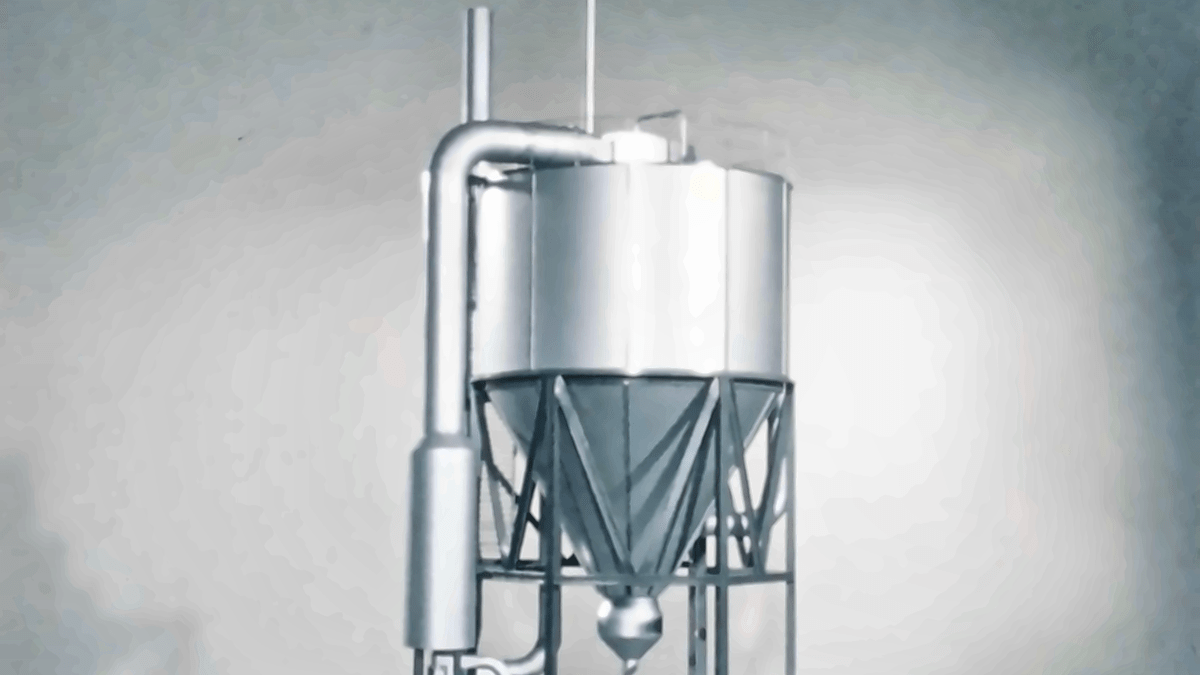
The breakthrough that changed spray drying
In 1976, NIRO engineers responded to a competitive challenge by rethinking what spray drying could do. Their idea became the multi-stage dryer MSD. Fifty years later, the same fundamental principle helps turn liquids into the powders used in essential nutrition products and important medicines around the world. Refined through decades of engineering expertise, customer insight and continuous development, MSD is a story of innovation with lasting impact.
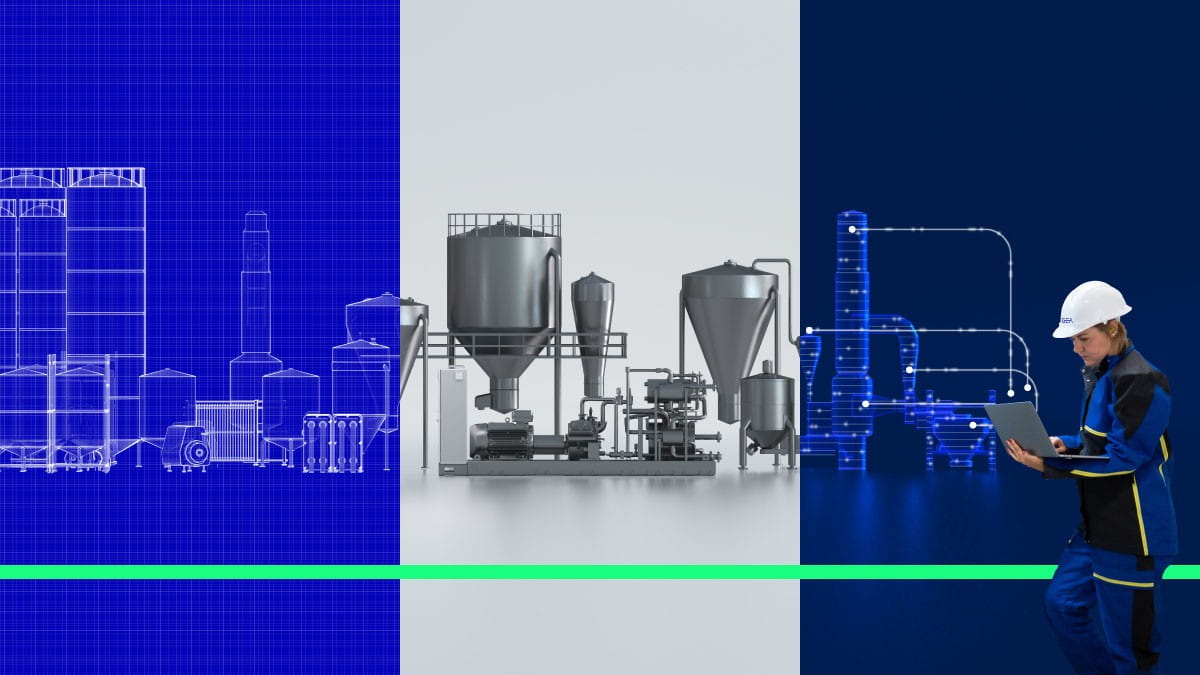
Beyond the machine: unlocking better plant performance
An efficient machine does not automatically make an efficient factory. Real improvement often starts by looking beyond individual equipment and understanding how processes, energy systems and operating decisions affect one another. It’s a holistic approach designed to uncover opportunities that might otherwise be missed.
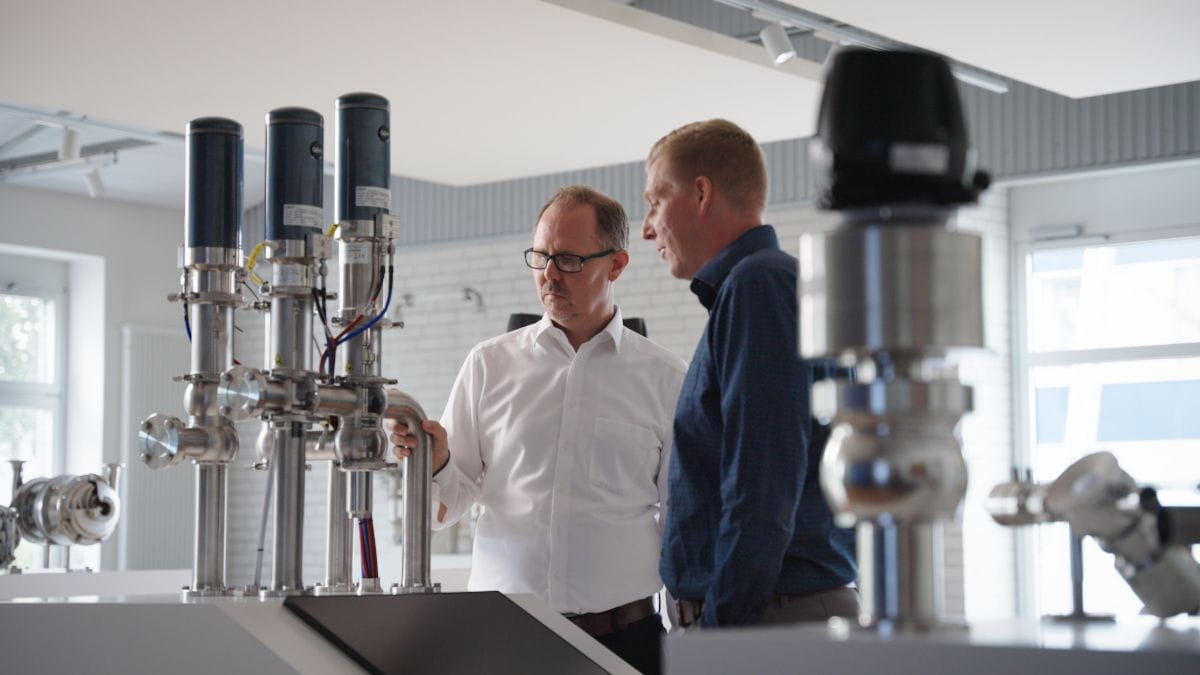
How a valve reshapes the way food and drinks are made
In food and beverage plants, valves are commonly operated using compressed air. GEA Hydract® Actuation Technology moves valves with water instead, in a closed, digitally controlled circuit. The result is a valve that can be held exactly in place and steered in fine-tuned steps. This results in lower energy use and greater control.
