

GEA filling technologies aim to combine the best performance in terms of filling speed, accuracy and flexibility with the need for cost reduction and safe, easy-to-use technology.
Products
Showing 2 of 2

ESL filling modules
GEA’s range of filling modules for ESL beverages into PET or HDPE bottles features ultraclean filling environment to secure hygienic conditions during production and a “scrap-free” design that minimizes product wastage.

GEA Aseptic filling modules
GEA offers a range of aseptic fillers for any sensitive product: high or low acid, still or carbonates, clear or viscous, and those with pulp, fibers and pieces of fruit or cereals with dimensions up to 10x10x10 mm.
GEA Insights
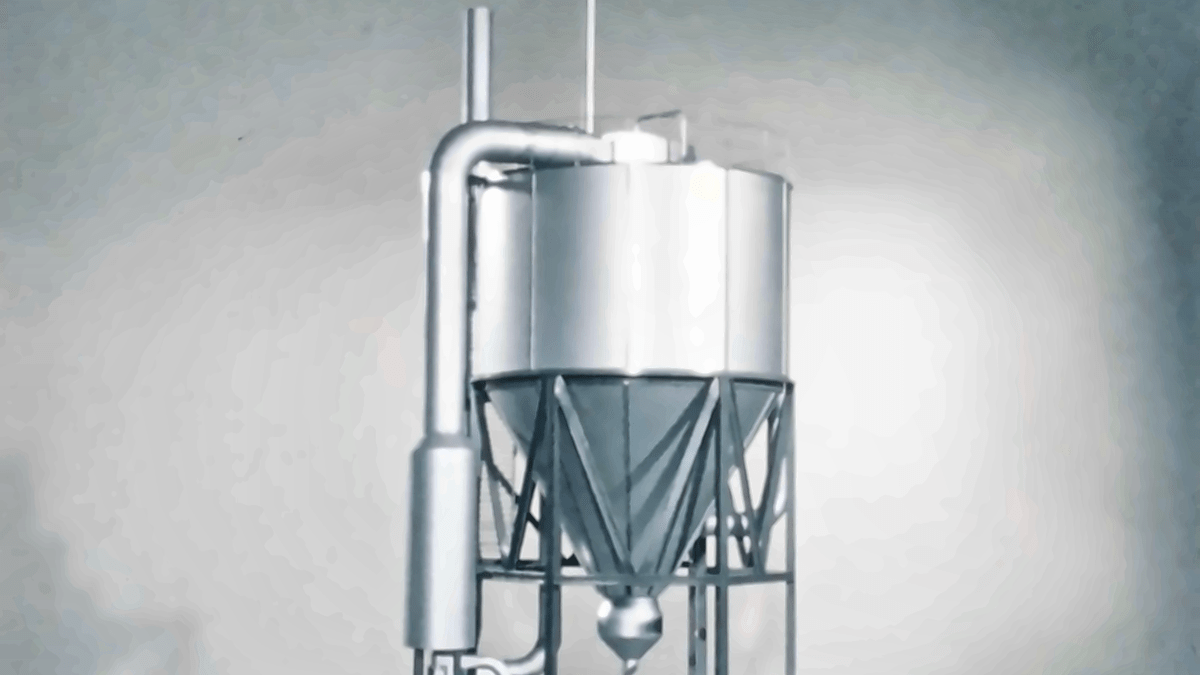
The breakthrough that changed spray drying
In 1976, NIRO engineers responded to a competitive challenge by rethinking what spray drying could do. Their idea became the multi-stage dryer MSD. Fifty years later, the same fundamental principle helps turn liquids into the powders used in essential nutrition products and important medicines around the world. Refined through decades of engineering expertise, customer insight and continuous development, MSD is a story of innovation with lasting impact.
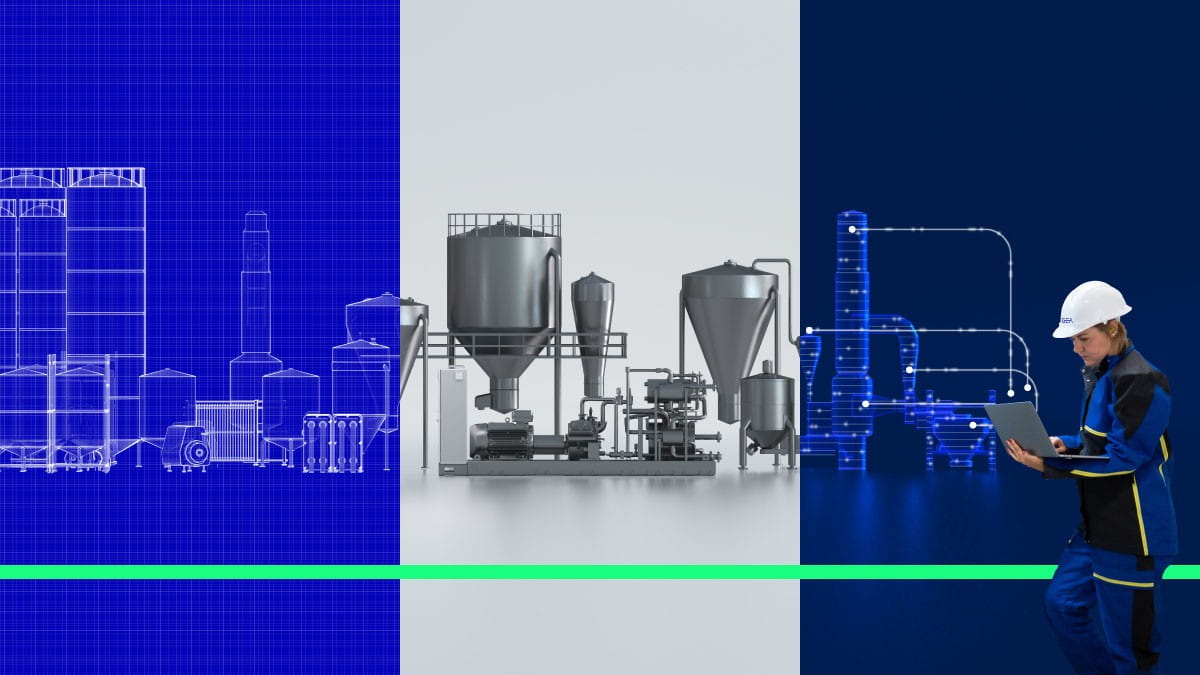
Beyond the machine: unlocking better plant performance
An efficient machine does not automatically make an efficient factory. Real improvement often starts by looking beyond individual equipment and understanding how processes, energy systems and operating decisions affect one another. It’s a holistic approach designed to uncover opportunities that might otherwise be missed.
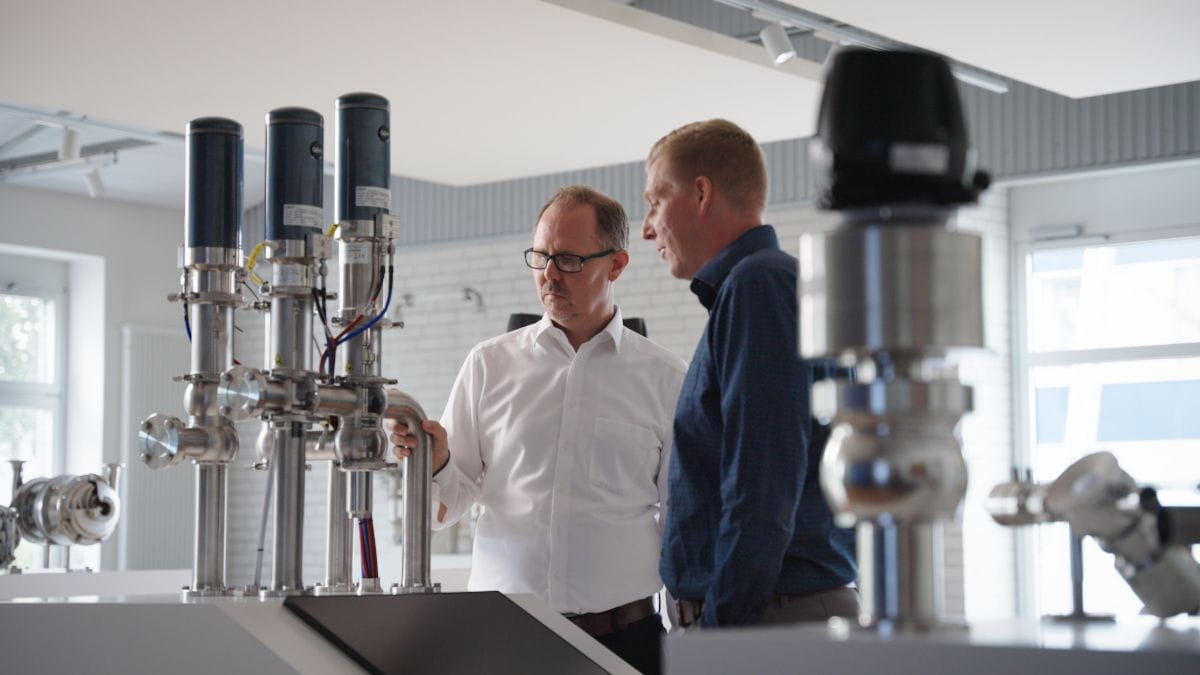
How a valve reshapes the way food and drinks are made
In food and beverage plants, valves are commonly operated using compressed air. GEA Hydract® Actuation Technology moves valves with water instead, in a closed, digitally controlled circuit. The result is a valve that can be held exactly in place and steered in fine-tuned steps. This results in lower energy use and greater control.
