
The mixer features an automatic dosage of flour (ponderal or volumetric), micro ingredients, and liquids, water and eggs which are controlled by a valve PLC flowmeter.
The MKS features a paddle shaft with conic fixing which substitutes the use of screws and an opening top for easy access to the mixing vessel, provided with safety switch.
The structure of the kneader sheeter includes a receiving and feeding tank for the mixture to the next phase, thanks to rotating reels. Featuring three kneading rollers, and a pair of calibrating rollers the machine produces 7mm sheet.
The MKS features internal shoulders separated by the external ones, in order not to have any contamination of oil and grease with the transmission system. In addition, openable shoulders can be installed to improve the cleaning process.
The structure and the kinematics of the kneading rollers do not put stress on the pasta, guaranteeing that the inlet and outlet temperature are the same.
The MKS is a great solution thanks to its contained price and dimensions, grouping two processes in one single machine.Downloads
GEA Insights
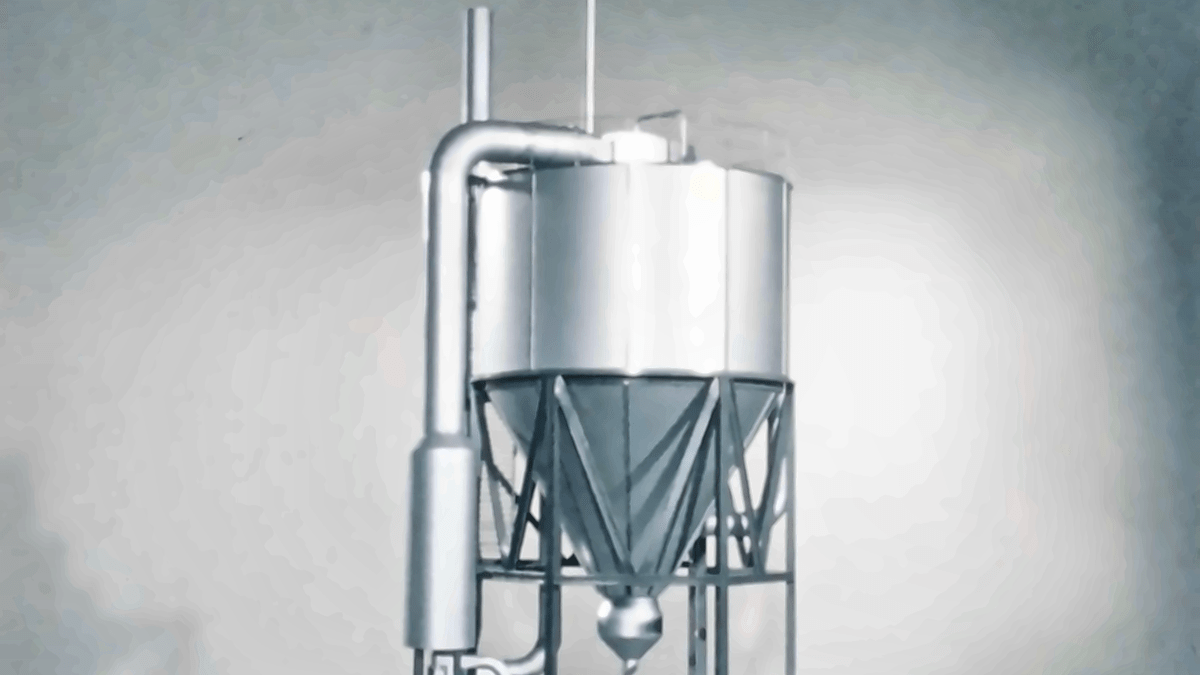
The breakthrough that changed spray drying
In 1976, NIRO engineers responded to a competitive challenge by rethinking what spray drying could do. Their idea became the multi-stage dryer MSD. Fifty years later, the same fundamental principle helps turn liquids into the powders used in essential nutrition products and important medicines around the world. Refined through decades of engineering expertise, customer insight and continuous development, MSD is a story of innovation with lasting impact.
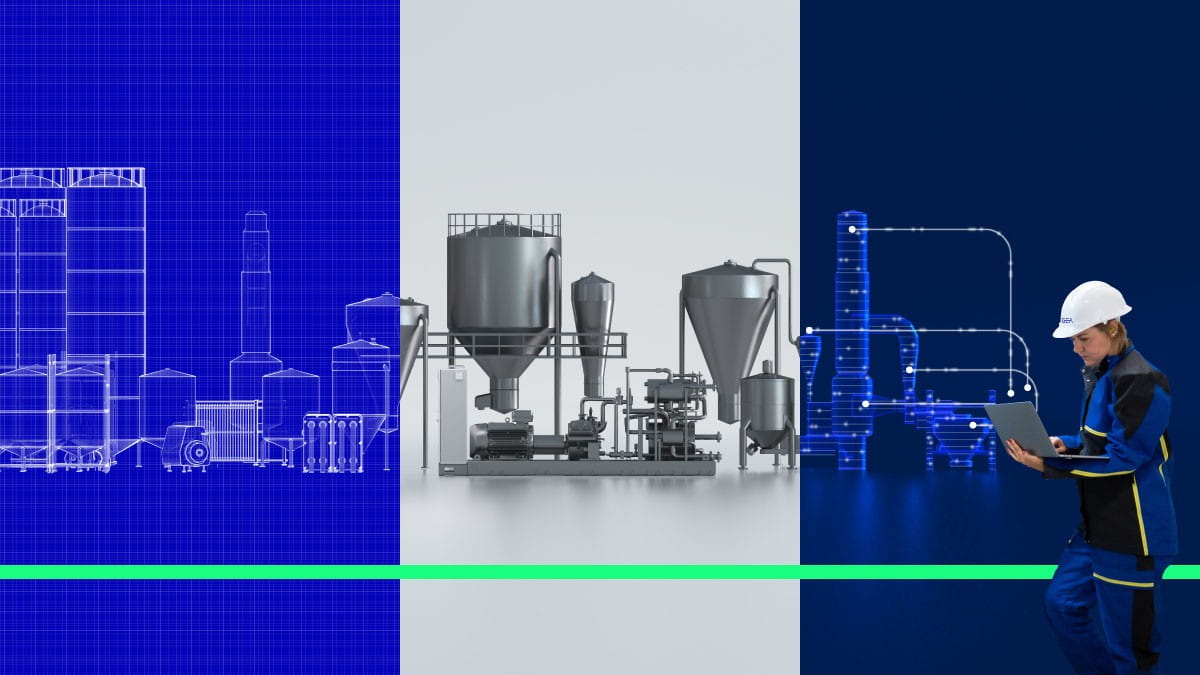
Beyond the machine: unlocking better plant performance
An efficient machine does not automatically make an efficient factory. Real improvement often starts by looking beyond individual equipment and understanding how processes, energy systems and operating decisions affect one another. It’s a holistic approach designed to uncover opportunities that might otherwise be missed.
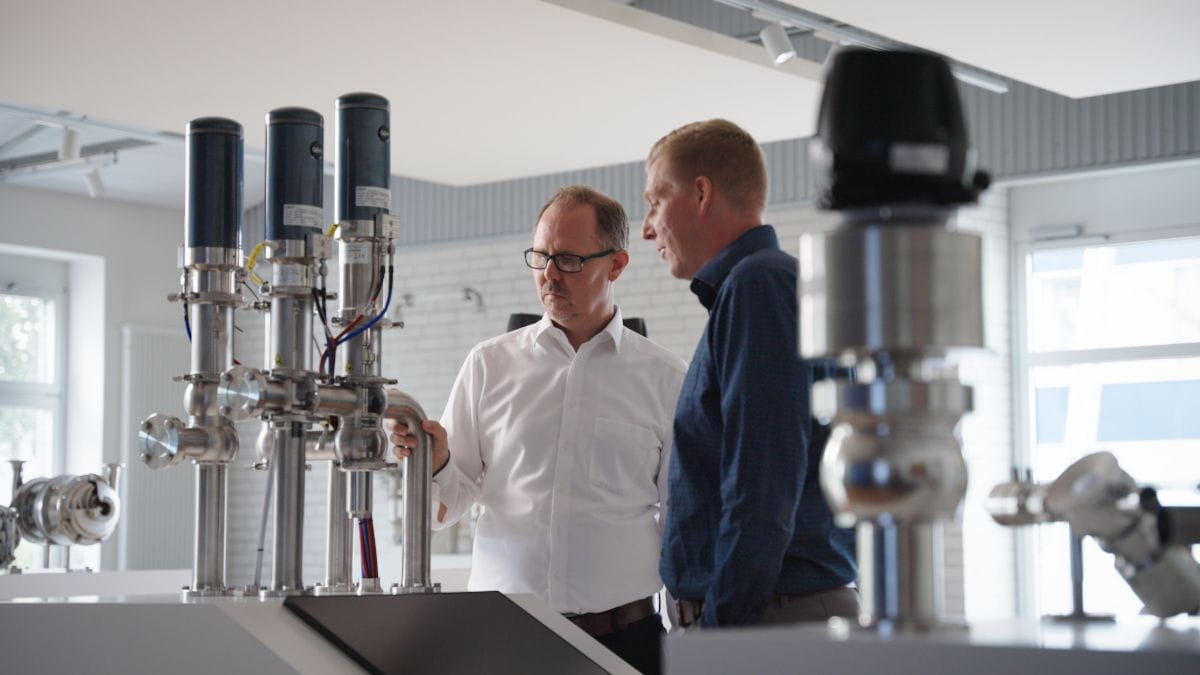
How a valve reshapes the way food and drinks are made
In food and beverage plants, valves are commonly operated using compressed air. GEA Hydract® Actuation Technology moves valves with water instead, in a closed, digitally controlled circuit. The result is a valve that can be held exactly in place and steered in fine-tuned steps. This results in lower energy use and greater control.
