

1 = Distributor, 2 = Packing, 3 = Liquid collector, 4= Trays, 5= Downcomer, A = Feed, B = Bottom product, C = Overhead product, D= Steam reboiler inlet, E = Reflux
Computer modelling and the access to large product data bases allows a precise, effective, and reliable design of our plants.
Additionally, GEA has its own Research and Developpment Centre at its disposal. This enables the evaluation of the most suitable solutions for complex or new tasks with various possibilities of testing of different internals and processes parameters.
Certain pilot plants are available as mobile units and can therefore be installed at a customer´s site. Data is captured and plant operating behavior modelled by means of the latest programs. This possibility can be precious for the clients before making big investments: he achieves a higher grade of safety regarding indispensable product qualities as, for example , the organoleptic properties of his drinking alcohol.
GEA is free to apply column internals of different suppliers thus having the advantage to choose the best design for the process tasks.
Downloads
Related Products

Reboiler for Distillation Plants
GEA uses different types of reboilers for the energy input to the distillation columns. The choice of the suitable type depends on surrounding process and product parameters.

MVR / TVR heated Distillation Plants
The thermal vapor recompression applies steam jets to raise the temperature level of vapor flows in the plant. Condensation of these boosted flows is then used for the heating or evaporating of lower temperature process flows. Thereby the steam consumption is minimized.

Skid Mounted Distillation Units
The fabrication of compact skid mounted units for smaller product quantities has several advantages for our client.

Multiple Effect Distillation Plants
The core of the distillation range of products is the multiple-effect pressure/vacuum rectification system. The design is largely determined by the characteristic properties of the feed and the specific requirements of the final product.
GEA Insights
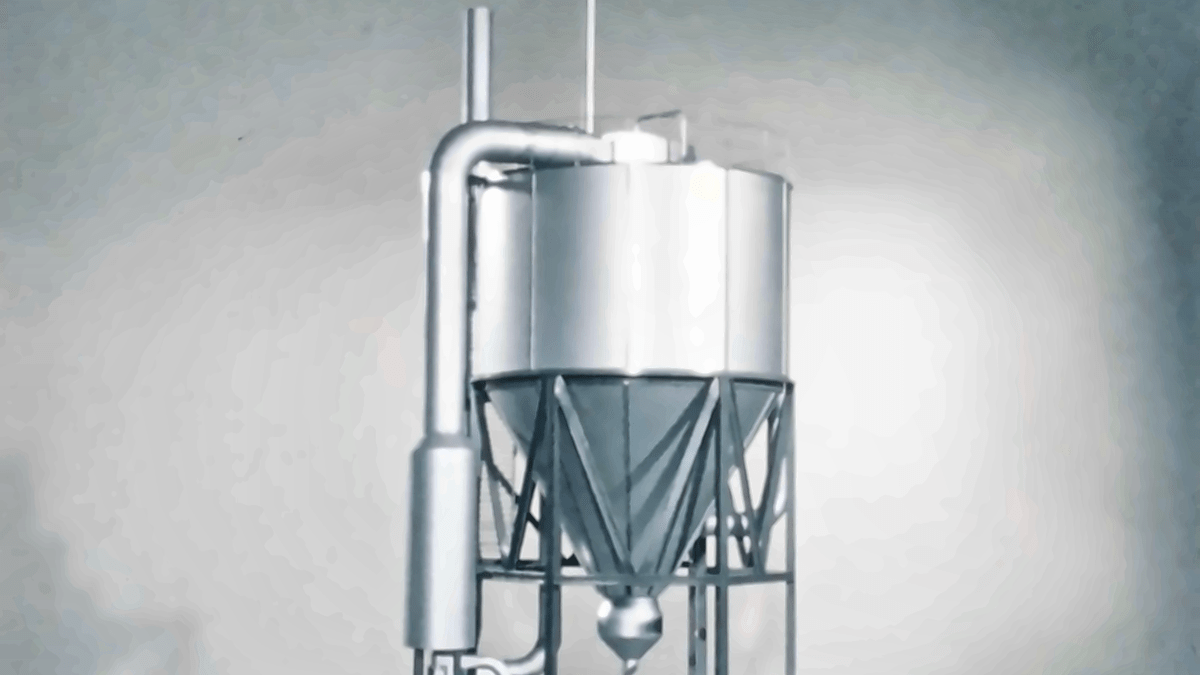
The breakthrough that changed spray drying
In 1976, NIRO engineers responded to a competitive challenge by rethinking what spray drying could do. Their idea became the multi-stage dryer MSD. Fifty years later, the same fundamental principle helps turn liquids into the powders used in essential nutrition products and important medicines around the world. Refined through decades of engineering expertise, customer insight and continuous development, MSD is a story of innovation with lasting impact.

Beyond the machine: unlocking better plant performance
An efficient machine does not automatically make an efficient factory. Real improvement often starts by looking beyond individual equipment and understanding how processes, energy systems and operating decisions affect one another. It’s a holistic approach designed to uncover opportunities that might otherwise be missed.
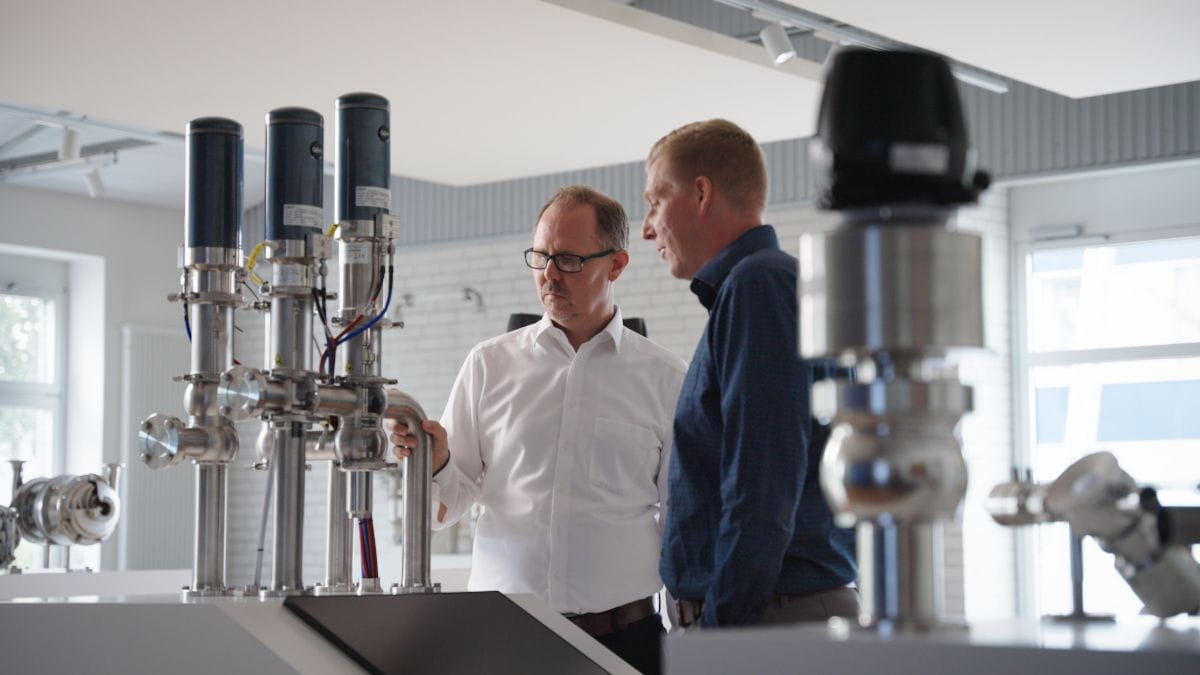
How a valve reshapes the way food and drinks are made
In food and beverage plants, valves are commonly operated using compressed air. GEA Hydract® Actuation Technology moves valves with water instead, in a closed, digitally controlled circuit. The result is a valve that can be held exactly in place and steered in fine-tuned steps. This results in lower energy use and greater control.
