


The fundamental information for the design of a crystallization plant is determined in the laboratory. This includes the chemical composition of the product, its physical properties and the formation of mixed crystals.
For products too sensitive to be shipped to our facility or that require special handling due to safety or health concerns, our team may perform the necessary tests or investigations at customers' premises.
Available Options
Following options are available:
- Test Center Excellence in France – Located in Montigny-le-Bretonneux, has more than 1,000m² of test areal and can validate a comprehensive solution for crystallization processes from industries that go from the food to the chemical one.
- Test Center Excellence in Germany, located in Mülheim an der Ruhr within “Parkstadt Mülheim,” spans over 1200m². It is equipped for batch, continuous, and mini-plant testing. The center offers extensive in-house analytical equipment, including ICP-OES, AAS, TOC/TIC, and wet chemical analyses, allowing for comprehensive chemical analysis in parallel with testing. It serves a wide range of industries, including fine chemicals, battery materials, battery recycling, salt, and fertilizer.
- Pilot plants – Of great importance to validate an industrial process and guarantee the specifications of the end product. Our test centers are equipped with several pilot plants that accurately represent most types of crystallizers, they are built according to the same design principles as industrial units and provide reliable operational data right at the customers´ premises when the product cannot or shall not be transported.

Heating options for thermal separation plants
Downloads
Related Products

Forced Circulation Crystallizers
Simple in design and robust in operation. The working horse for industrial solution crystallization.

COMPACRYST®
Process and mechanical innovation. Compact and Monoblock Forced Circulation Crystallizer.

Oslo Crystallizers
Fluidized bed crystallizer with the ability to grow the largest crystals at elevated retention time.

Draft Tube Baffle Crystallizers
Limited attrition and efficient fines destruction – a design to produce coarse crystals with a narrow size distribution.

GEA Insights
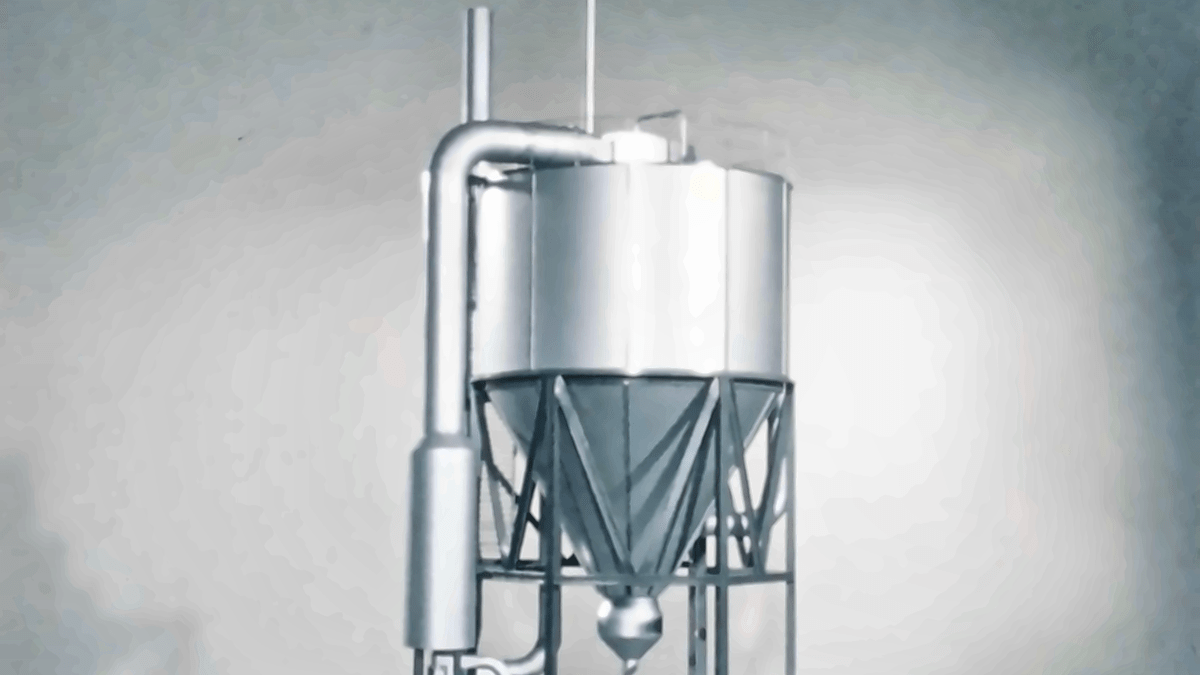
The breakthrough that changed spray drying
In 1976, NIRO engineers responded to a competitive challenge by rethinking what spray drying could do. Their idea became the multi-stage dryer MSD. Fifty years later, the same fundamental principle helps turn liquids into the powders used in essential nutrition products and important medicines around the world. Refined through decades of engineering expertise, customer insight and continuous development, MSD is a story of innovation with lasting impact.
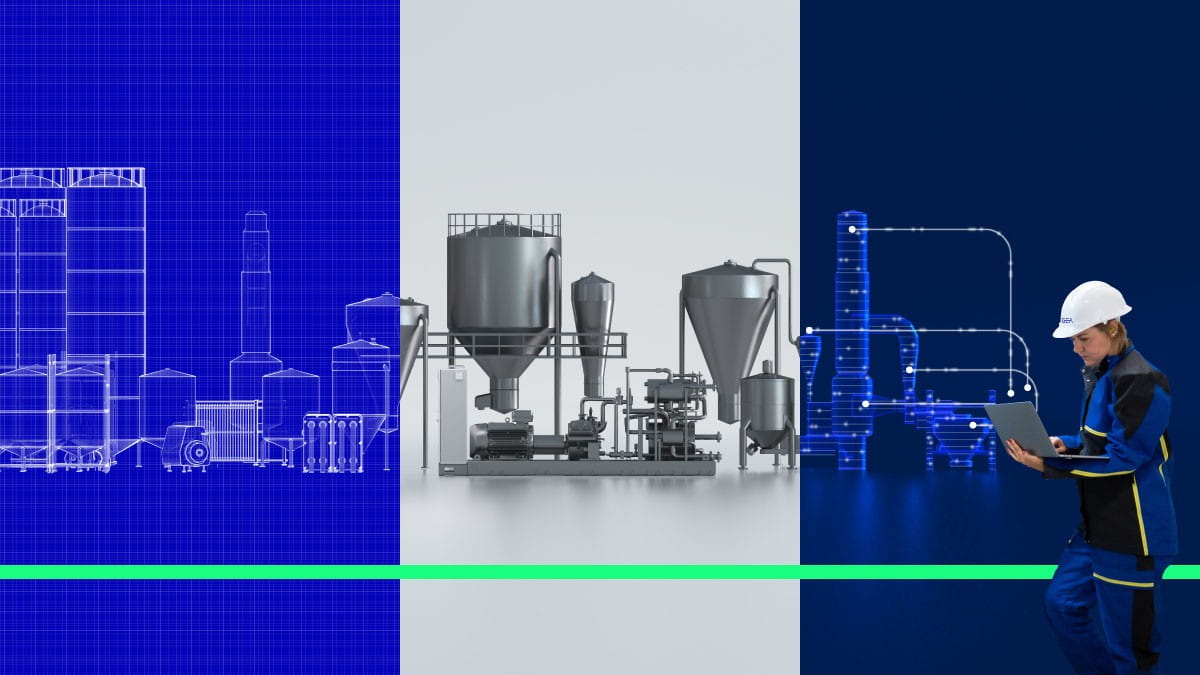
Beyond the machine: unlocking better plant performance
An efficient machine does not automatically make an efficient factory. Real improvement often starts by looking beyond individual equipment and understanding how processes, energy systems and operating decisions affect one another. It’s a holistic approach designed to uncover opportunities that might otherwise be missed.
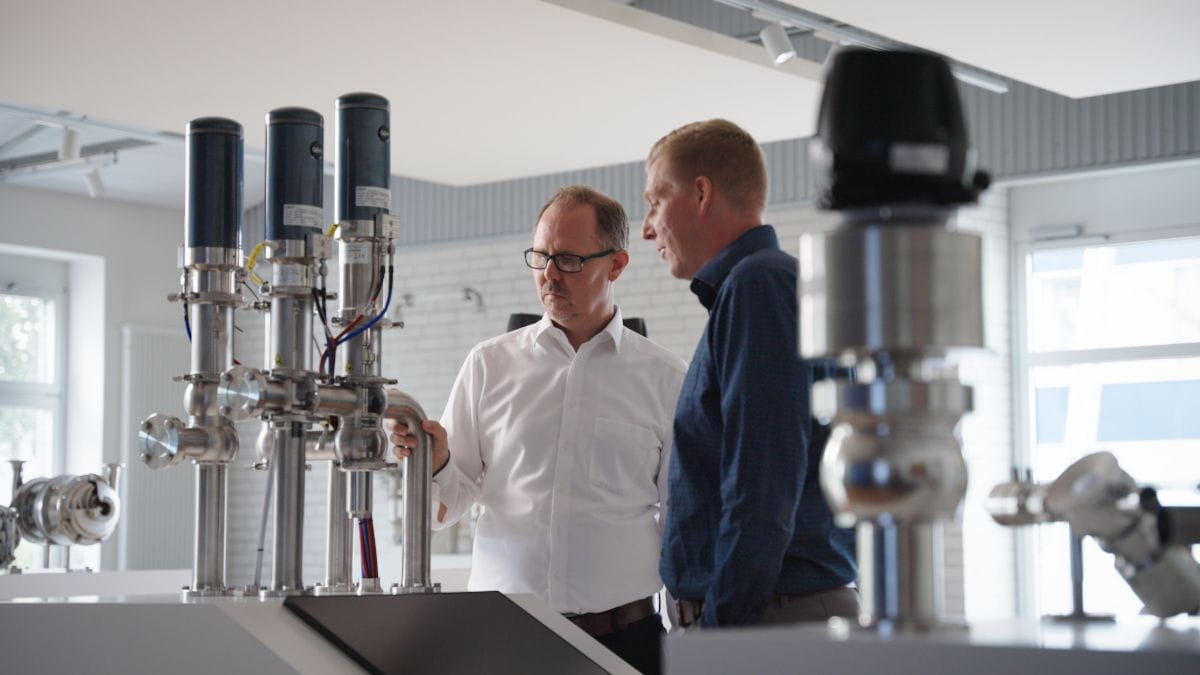
How a valve reshapes the way food and drinks are made
In food and beverage plants, valves are commonly operated using compressed air. GEA Hydract® Actuation Technology moves valves with water instead, in a closed, digitally controlled circuit. The result is a valve that can be held exactly in place and steered in fine-tuned steps. This results in lower energy use and greater control.
