

The production of wines and spirits is based upon fermentation, a natural process by which yeast organisms convert carbohydrates, such as starch and glucose, into alcohol. Distilled spirits are all alcoholic beverages in which the concentration of ethyl alcohol has been increased to above that of the original fermented mixture, by the process of distillation.
Wine and other spirits
Wine is an alcoholic beverage that is made from fermented grapes or other fruits. Increasing numbers of wine-growing estates are integrating mechanical separation technology into the production of their wines to make the process more efficient and more competitive.
GEA offers innovative processes and systems for wine makers. Providing centrifugation with decanters and separators, we are also a specialist in membrane filtration, and so can provide a complete spectrum of mechanical separation technologies for use in diverse preliminary process stages, through to coarse and fine clarification, and right up to polishing.
GEA's range of distillation products has been built around the core multiple effect pressure/vacuum rectification system. Each individual system design is determined largely by the property characteristics of the feed and the specific requirements of the final product. GEA systems are recognized for their high thermodynamic efficiencies and for the high distillate purities achieved.
GEA offers fermentation lines to complement the core distillation process. This means that a complete range of innovative processes relating to distillation technology is therefore available from a single, reliable source
In addition, we have internationally recognized expertise in the processing of by-products that contain solids, which often result from distillation processes. Value can be added to these by-products, dependent on the customer's requirements and the actual product, through dewatering, decanting, concentration or extraction in evaporation plants and processing into marketable products by subsequent drying.


Products & Technologies
Showing 4 of 43

Aseptic valves & components
Aseptic valves face exceptionally high demands within UltraClean and Aseptic processes. You can be assured that they all provide highest quality in terms of hygienic design and sustainability.

Batch Distillation Plants
GEA Batch Distillation systems provide the flexibility needed for changing product portfolios, specialty chemicals, pharmaceuticals, and high-value production processes. Designed for precise separation, exceptional product quality, and efficient operation, our solutions help manufacturers adapt quickly to varying production requirements while mai...

Brewhouse - Mash house
We offer a comprehensive portfolio that includes all major brewhouse / mash house technologies like milling, mashing, lautering, wort treatment and distilling, as well as the full range of automation and service solutions.

Carbonating Products
GEA carbonating systems are designed for the highly accurate continuous carbonation of beverages.
Downloads
GEA Insights
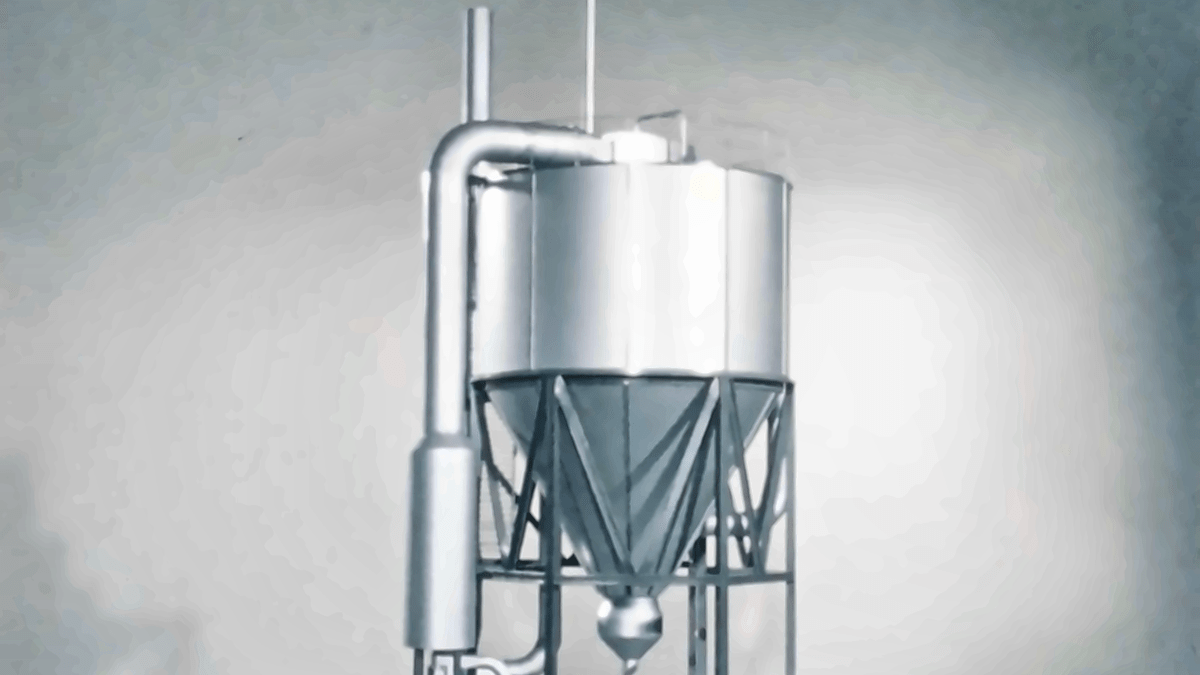
The breakthrough that changed spray drying
In 1976, NIRO engineers responded to a competitive challenge by rethinking what spray drying could do. Their idea became the multi-stage dryer MSD. Fifty years later, the same fundamental principle helps turn liquids into the powders used in essential nutrition products and important medicines around the world. Refined through decades of engineering expertise, customer insight and continuous development, MSD is a story of innovation with lasting impact.

Beyond the machine: unlocking better plant performance
An efficient machine does not automatically make an efficient factory. Real improvement often starts by looking beyond individual equipment and understanding how processes, energy systems and operating decisions affect one another. It’s a holistic approach designed to uncover opportunities that might otherwise be missed.

How a valve reshapes the way food and drinks are made
In food and beverage plants, valves are commonly operated using compressed air. GEA Hydract® Actuation Technology moves valves with water instead, in a closed, digitally controlled circuit. The result is a valve that can be held exactly in place and steered in fine-tuned steps. This results in lower energy use and greater control.
